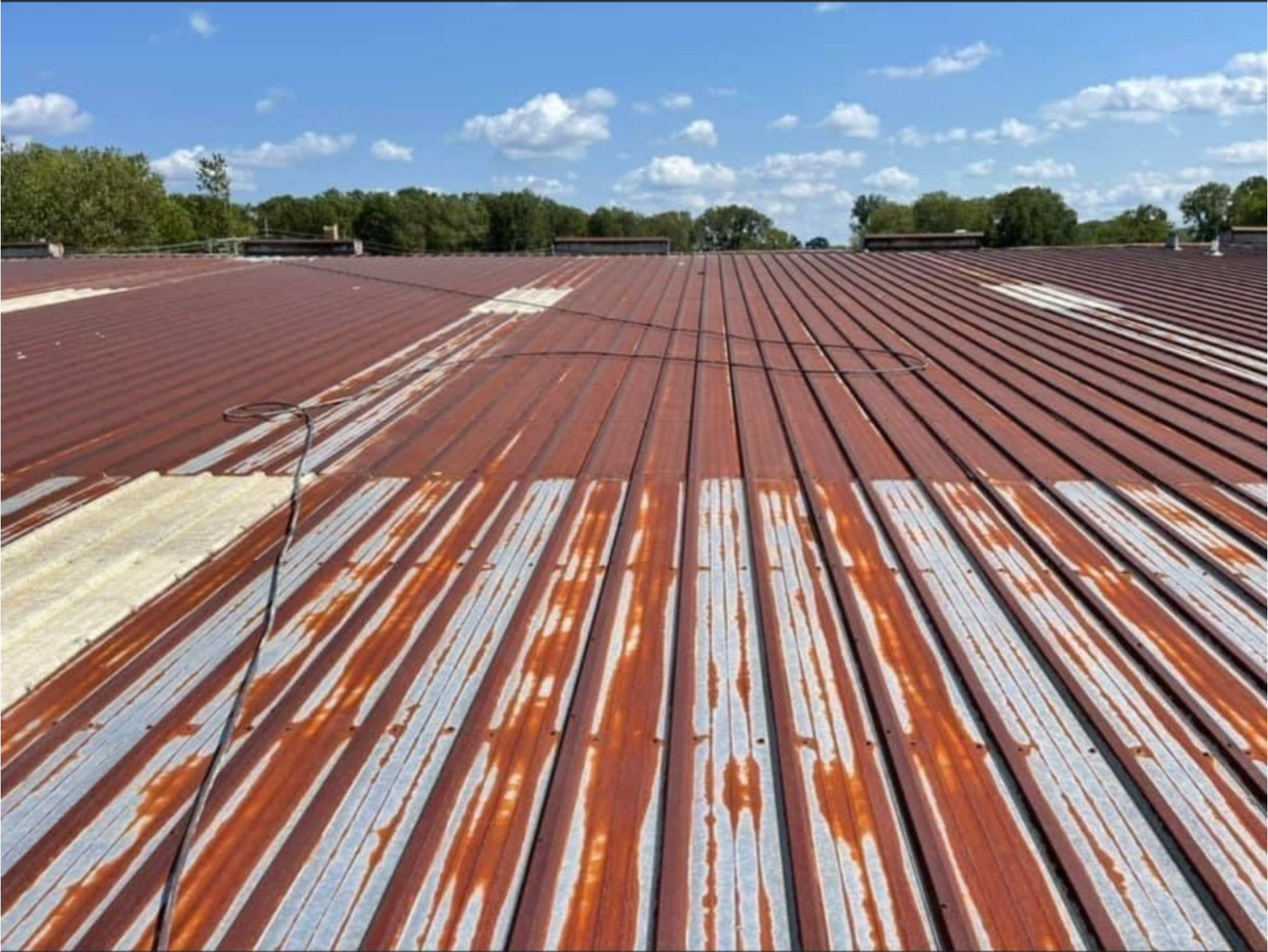
A rusty metal roof looks worse than it often is, and it's easy to assume the whole thing has to come off. We're Signature Roofing & Coatings, based in Boerne and working on flat, nearly flat and metal roofs across 14 Texas towns, San Antonio and Austin among them. Here's what we'd want you to know before you price a new roof.
Metal roof rust: the short answer
Surface rust on panels that are still solid is usually something you can deal with. Metal that has rusted through, or a roof where the damage is everywhere, is a different conversation. Between those two, the deciding question is how much sound metal is left to protect.
What to look for on a rusty metal roof
From the ground, or from safe roof access, here is what is worth noting. Stay off the panels if you’re not sure they’ll hold you.
- Rust that sits on the surface, compared with rust that has flaked, pitted or opened holes
- Where the rust is: spread evenly, or concentrated around seams, edges and fasteners
- Fasteners that have backed out, sit loose or have rusted heads
- Seams and overlaps that have opened
- Old patches and sealant that have cracked or let go
- Stains or drips inside the building, especially in lines that follow the panels
Metal moves as it heats and cools, day after day, which works at fasteners and seams over time. That’s why a roof can begin leaking along its fastener lines while the panels themselves still look fine. Loose fasteners on their own don’t condemn a roof, but they’re a good reason to have the rest of it looked at.
What restoring a metal roof does
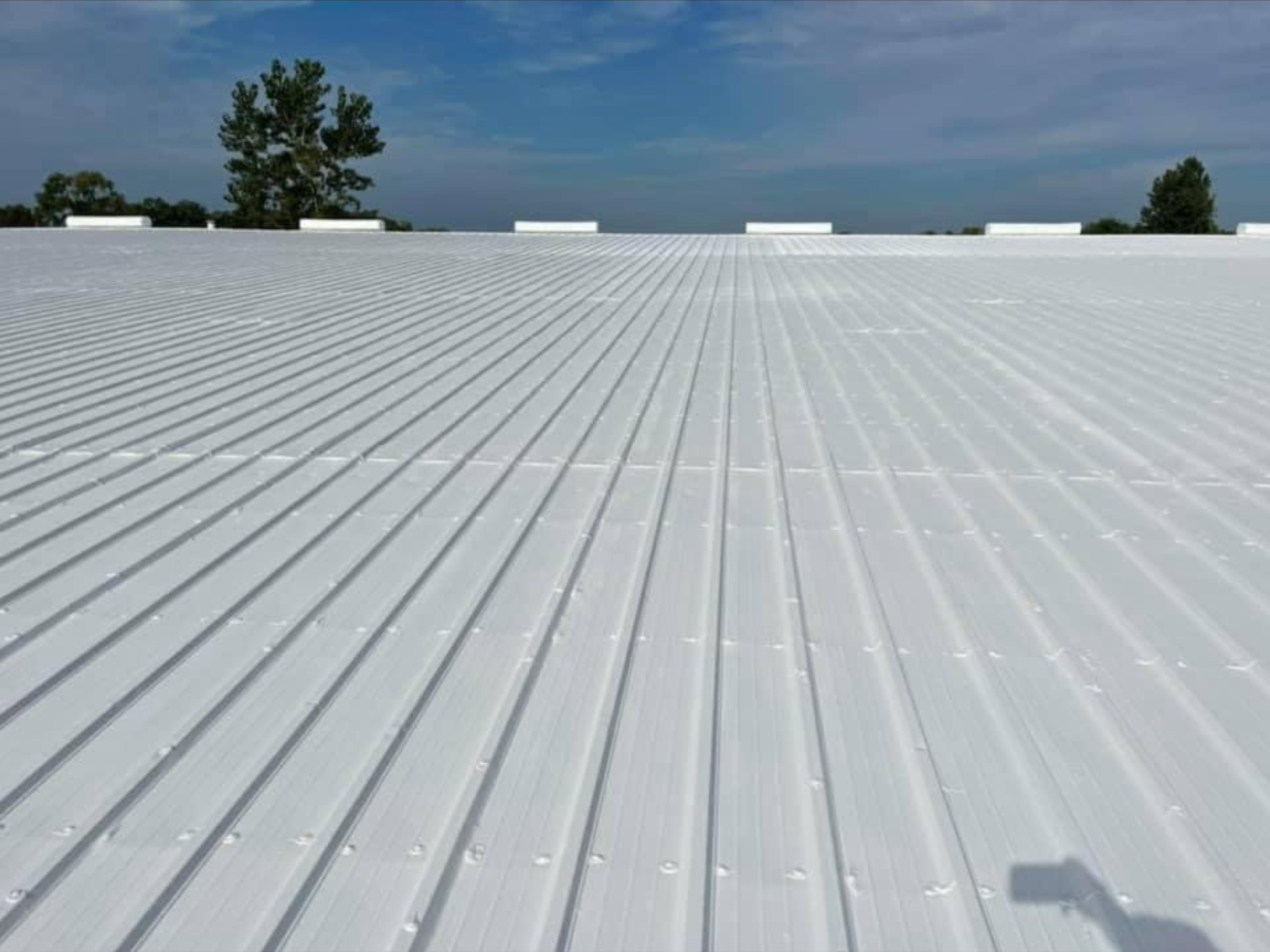
Metal roofs need specialized coating. We apply liquid coatings made to stick to the metal and stand up to the sun. The job of a restoration is to prevent corrosion, seal the seams and joints, and keep what’s still sound in service. It also restores reflectivity, so the surface bounces heat away again.
Damage gets repaired first, and the surface has to be prepared so the coating can bond to it. Rust that’s left unaddressed under a coating is still there, which is why the prep matters more than the color of the finished roof. You can read about that in how a commercial roof coating is applied, and about the coatings we use on our roof coating page.
When a metal roof is past saving
We don't push coatings on every roof. When a roof is still solid and the damage is only on the surface, we're honest about that. When it isn't, a coating is the wrong purchase, and these are the signs we'd take seriously:
- Panels that have rusted through across large areas
- Metal that’s too thin or brittle to hold fasteners
- Sagging, or a problem with the structure holding the panels
- Leaks and damage spread across the whole roof
If that’s your roof, then replacing it is the honest answer, and you can compare your options on our metal roofing page. For a fuller look at the choice, read commercial roof restoration vs replacement.
Why it pays to look early
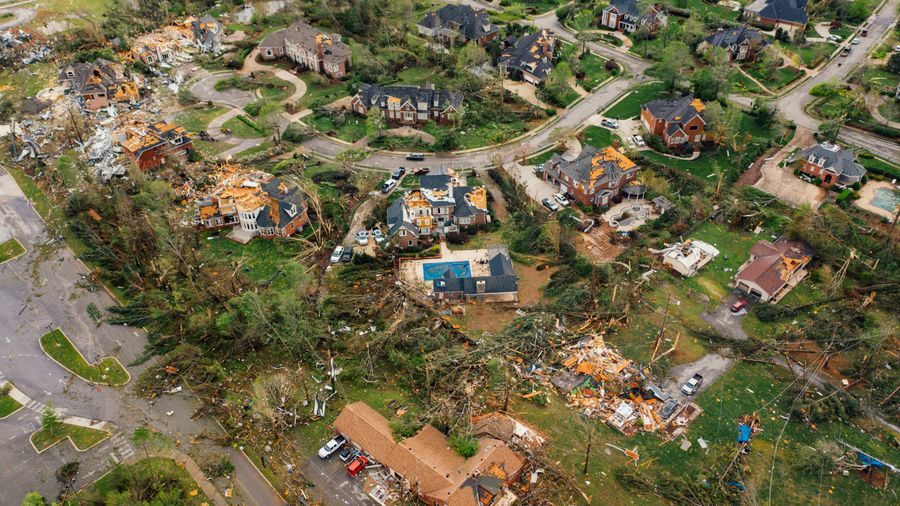
Rust doesn’t stay where it is. Every season it’s left alone, there’s less sound metal to work with, and the choice narrows. Regular inspections catch small issues before they become costly interior damage. If a storm has been through as well, read what to do after a storm.
What to do next
Take a few photos from the ground, and note where any leaks show up inside. Then have someone walk it. We'll take photos and measurements and send you a clear assessment: what shape the roof is in, what options make sense, and what they cost. If you're looking at a rusty roof and wondering what it needs, book a free roof inspection.