TPO roofing in San Antonio
Sheet roofing for flat and nearly flat commercial roofs, with every seam sealed by heat.
TPO is sheet roofing for flat and nearly flat roofs. We install it on commercial buildings in San Antonio when a new roof is the right call, and we repair the TPO roofs that are already up there. We're based in Boerne and work across 14 Texas towns, Austin among them.
Quality here comes down to the seams. Our crews seal every seam with heat to keep water out, and good seam work is what separates a roof that holds up from one that doesn't.
What is a TPO roof?
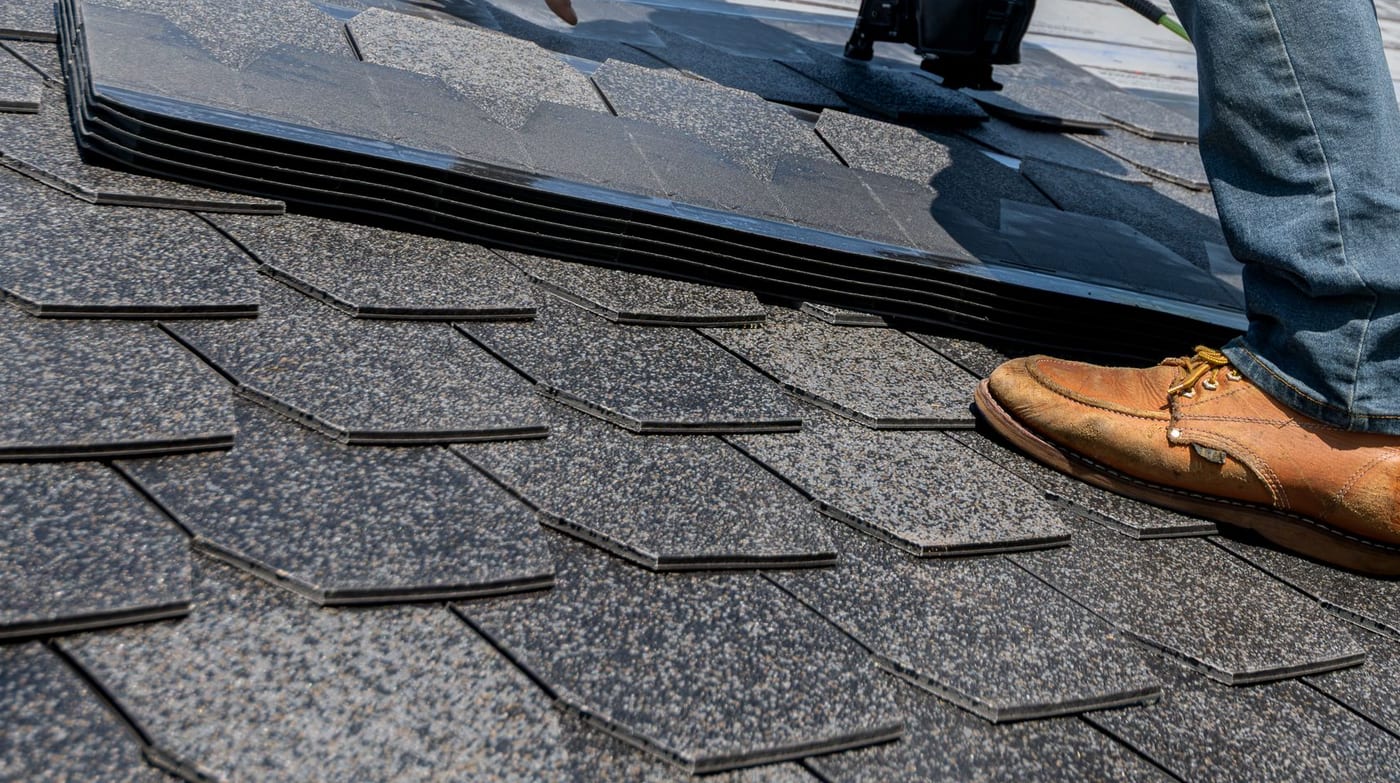
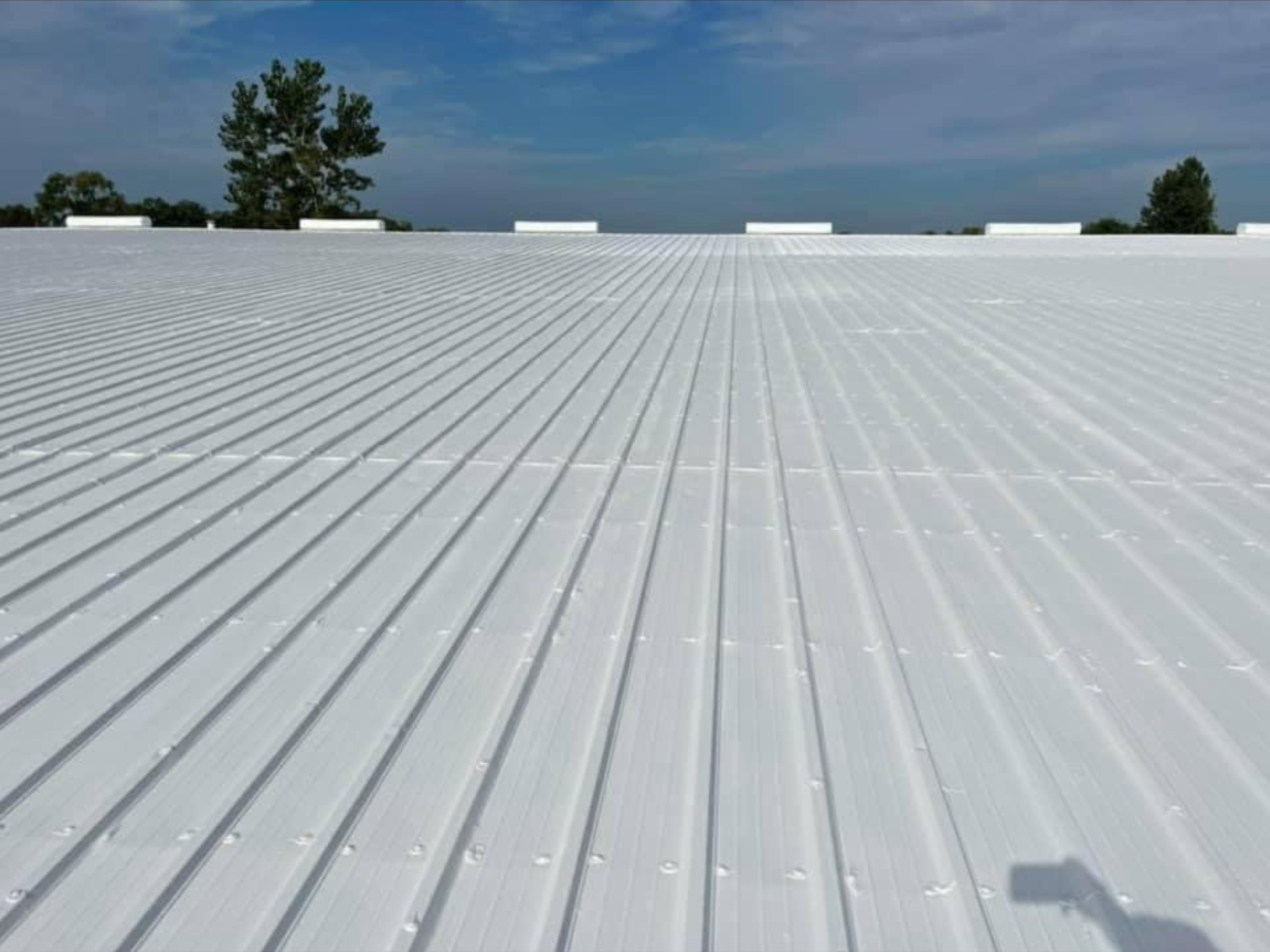
TPO stands for thermoplastic polyolefin, a tough plastic roofing sheet that roofers also call a single-ply membrane. It arrives in wide rolls, usually white, that are spread across the roof and secured to what's underneath. Where two sheets overlap, hot air melts them together, so the seam becomes part of the sheet instead of relying on tape or glue. Roofers call this heat welding.
That makes the seams the place to look, which is why we test them before we leave.
TPO installation, repair and replacement
New installation. For new buildings or replacing an aging roof. We size the sheets and make sure water drains off instead of sitting on the roof.
Repair and maintenance. Cracks, split seams and holes need fast attention. We patch and re-seal damaged areas. Regular inspections catch problems early.
Replacing the whole roof. We strip the old roof, fix what's underneath and install new TPO.
Want the whole picture first? See how we work, check our service areas, or book a free roof inspection.
Is TPO right for your building?
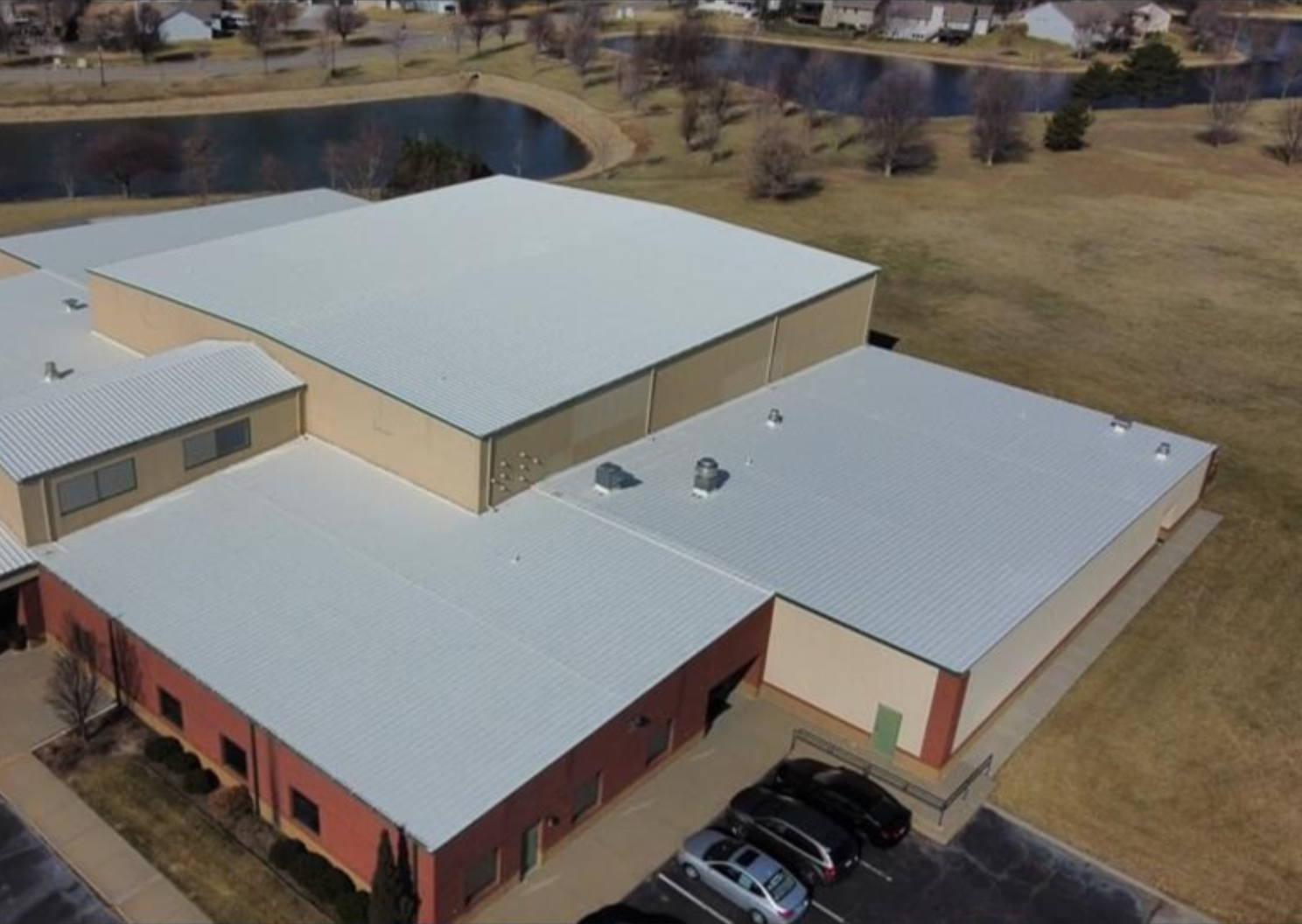
TPO is made for roofs that are close to flat. Here's how we sort it out before anyone talks about a new roof.
Usually a good fit
- Flat and nearly flat roofs on warehouses, offices and retail spaces
- A new building that needs a roof planned around how water drains
- An aging roof that is past saving and ready to come off
- An existing TPO roof with cracks, split seams or holes
Usually a better answer elsewhere
- A steep roof on a house. See shingle roofing.
- An aging TPO roof that is still solid. Fluid-applied roof coating may make more sense than taking the old roof off.
- Damage limited to a few seams or holes. Patching and re-sealing may be all it needs.
Repair, coat or replace a TPO roof
A flat roof usually has more than one way forward. These are the three we weigh when we inspect a TPO roof.
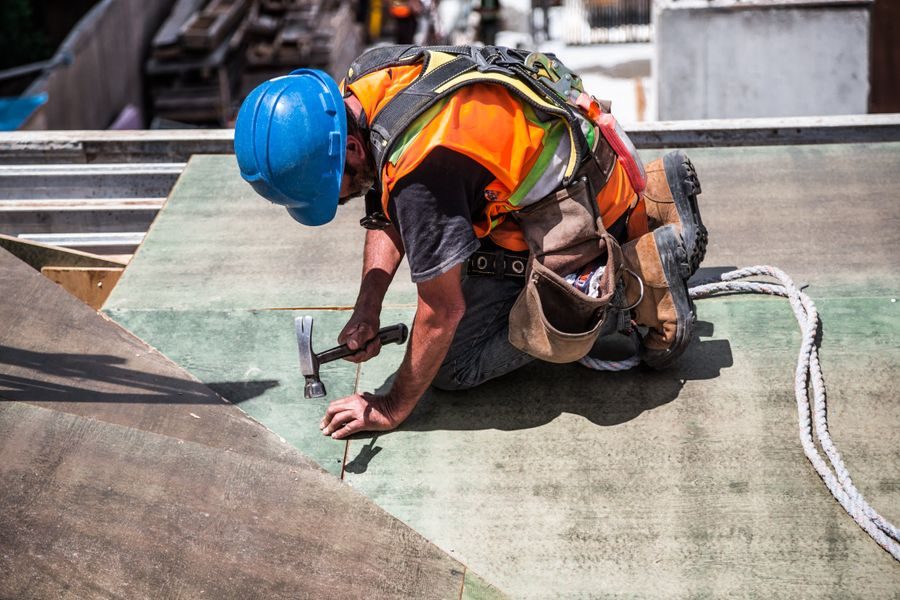 | 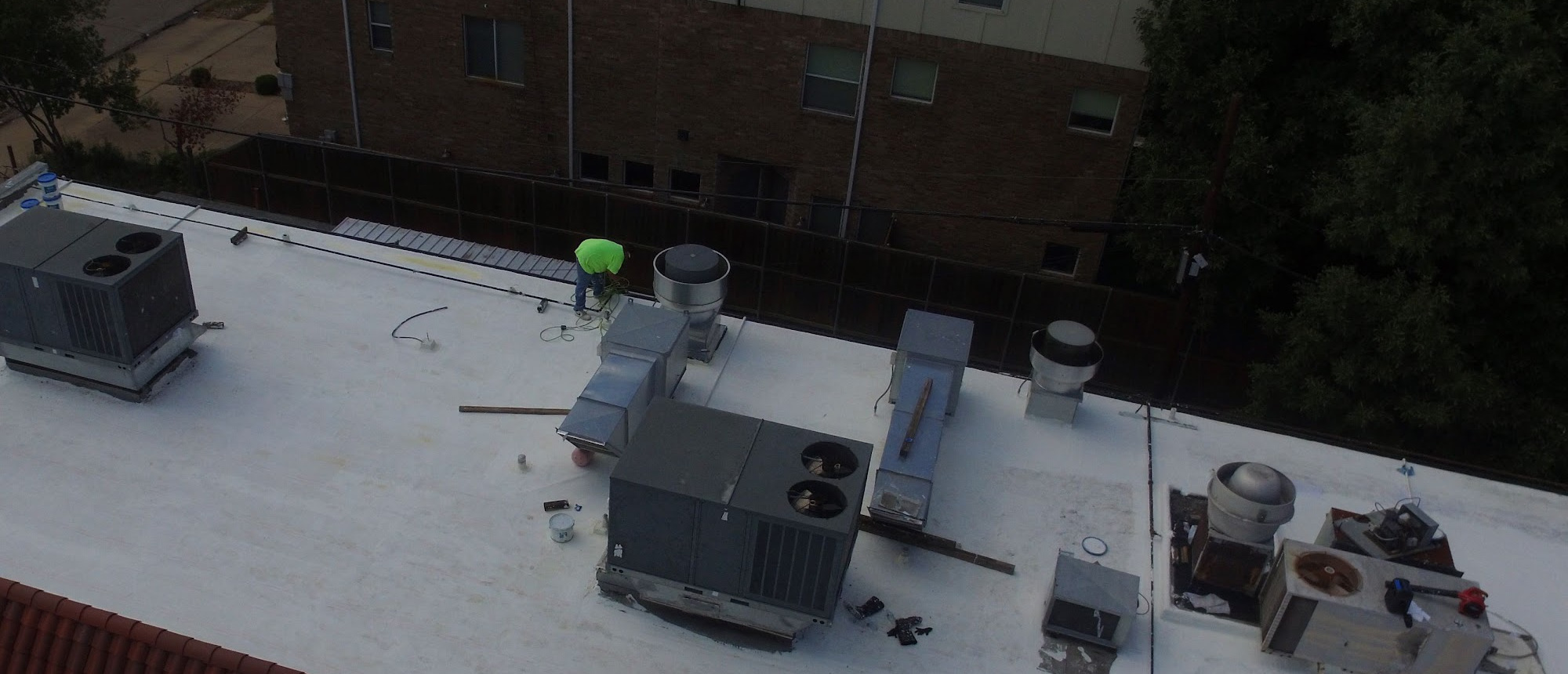 | 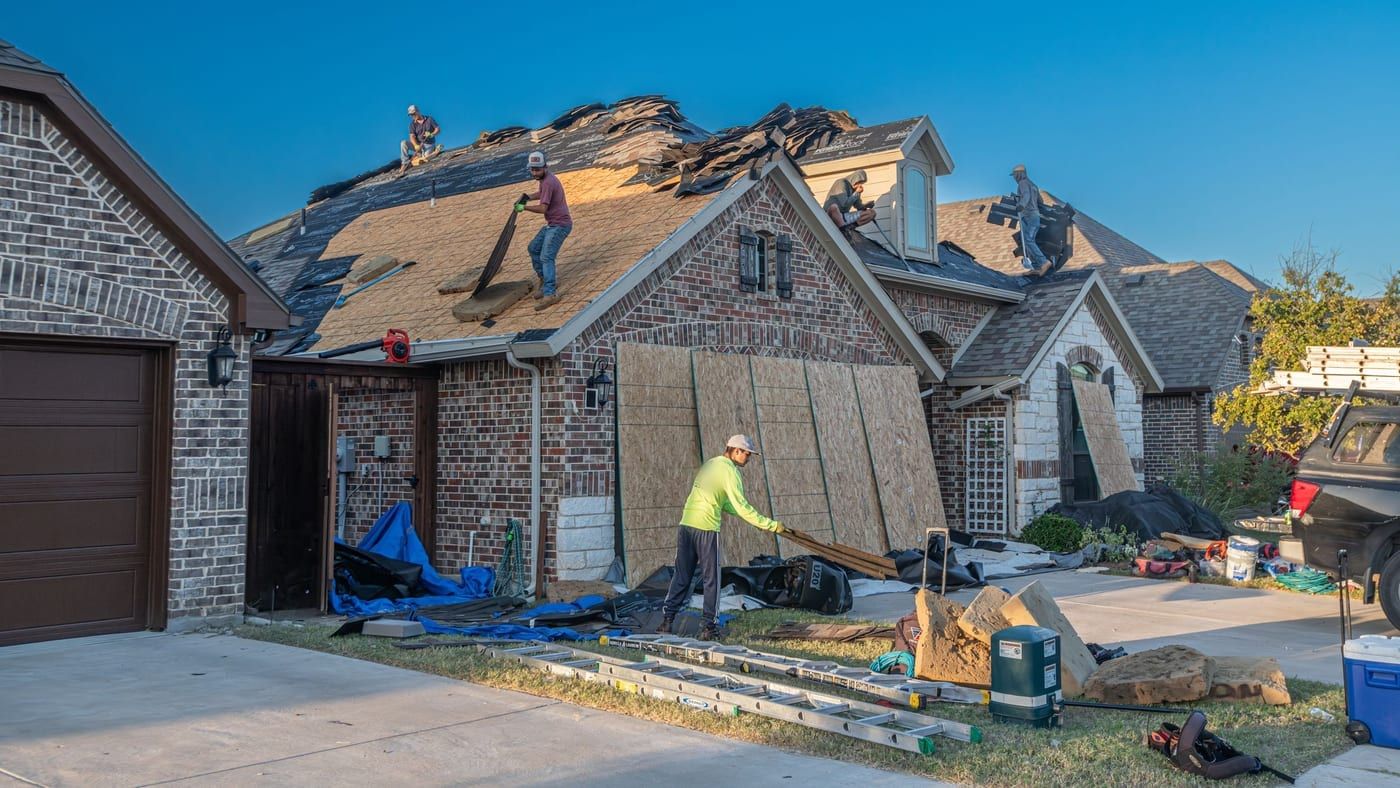 | |
|---|---|---|---|
| Best when | Damage is limited to cracks, split seams or holes | The roof is aging but still solid | The roof is no longer worth saving |
| What we do | Patch and re-seal the damaged areas | Clean and repair the surface, then apply a liquid coating over it | Strip the old roof, fix what's underneath and install new TPO |
| How much of the roof | Only the damaged areas | The whole surface | All of it, old roof included |
| Old roof removed? | No | No | Yes |
The inspection settles which one fits your roof. It's free, with no obligation.
How we run the job
We learned early that property managers don't want surprises. They want honesty, clear timelines and a team that shows up when they say they will. So we communicate daily, and we leave the site cleaner than we found it.
How a TPO roof installation goes
Four steps, from the first look at your roof to the final seam test.
Inspect and assess
Every project begins with a careful look at the roof. We find the damage, measure the slope, check how water drains and see what shape the roof is in. An accurate estimate starts here.
Design and plan
We choose the sheet thickness, insulation and drainage for your building, so the estimate fits the roof you actually have.
Install and seal
We install the sheets and seal every seam with heat. Edges and the spots where pipes and vents come through get the same attention.
Inspect and finish
We do a final walkthrough to check the work, test the seams and confirm the details meet your expectations.
What goes into a TPO roof
Seams sealed by heat
Every seam is sealed with heat to keep water out.
The right thickness
We recommend 60-mil or 90-mil sheets, based on your roof and the weather it sees.
A reflective surface
White TPO bounces sunlight away from the building instead of absorbing it.
Drainage planned in
We check slope and drainage so water doesn't sit on the roof.
Repairs too
We patch and re-seal cracks, split seams and holes.
Less disruption
We work to keep your business running during the job.
What affects the cost of a TPO roof
Cost depends on your roof's size and condition, and on what has to happen before the new roof goes on. You get a free estimate after the inspection.
- Roof size
- More square footage means more material and more seams.
- Existing roof
- Whether the old roof comes off, and the shape of what's underneath.
- Thickness
- We recommend 60-mil or 90-mil sheets, based on your roof and the weather it sees.
- Insulation
- What the building has now, and what it needs.
- Drainage
- The roof may need changes so water doesn't sit on it.
- Roof details
- Rooftop units, vents and edges each need their own careful sealing.

TPO roofing in San Antonio and across Texas
We're based in Boerne and work in San Antonio, Austin and 12 more Texas towns. If your building is in one of them, we can come look at the roof.
- San Antonio
- Austin
- Boerne
- Corpus Christi
- Georgetown
- Helotes
- Killeen
- McAllen
- New Braunfels
- Round Rock
- San Marcos
- Seguin
- Temple
- Waco
Questions about TPO roofing
What thickness of TPO should I use?▼
We recommend 60-mil or 90-mil sheets. We'll look at your roof and the weather it sees to recommend the right thickness, and check the drainage at the same time.
How long does a TPO installation take?▼
Most commercial roofs are completed within 5 to 15 days, depending on the size of the roof and how complicated it is. We work to keep your business running while the crew is on site.
Can an old TPO roof be coated instead of replaced?▼
Sometimes. Aging TPO can be coated if the roof is still solid. We check that during the inspection and tell you whether a coating makes sense for your roof.
What kind of buildings is TPO right for?▼
TPO suits flat and nearly flat roofs on buildings such as warehouses, offices and retail spaces. It's sheet roofing with every seam sealed by heat, and it reflects heat away.
Is a TPO roof inspection free?▼
Yes. We offer a free, no-obligation roof inspection and estimate, whether or not you move forward. We check the sheets, seams and drainage while we're up there.
How often should I have my roof inspected?▼
Inspect your roof once yearly and after major storms. On a flat roof, early detection of damage at the seams prevents costly leaks.
What is the first step if my roof is leaking?▼
Contact us for a free inspection so we can find where the leak starts and recommend repair or replacement options. We'll schedule you as soon as possible.
Do you handle permits?▼
Yes. We handle the paperwork, inspections and building codes, so your TPO project doesn't stall on forms while your building is waiting for its new roof.
Related roofing services
Other work that often comes up with a flat commercial roof.
Is your flat roof due for TPO, or for a coating?
Tell us what you're seeing. We'll walk the roof and send you a clear assessment. The inspection is free, with no obligation.