A flat roof that's giving you trouble has three possible futures, and they cost very different amounts. We're Signature Roofing & Coatings, based in Boerne and working across 14 Texas towns, San Antonio and Austin among them. Flat, nearly flat and metal roofs are what we focus on. Here's how to think it through.
Coat, repair or replace: the short answer
| What you have | What it usually needs |
|---|---|
| A problem in one spot, on a roof that is otherwise fine | Repair |
| A solid roof that is weathered or aging, with damage only on the surface | Repair what’s damaged, then coat |
| A roof that has failed, with widespread damage | Replace |
These are the usual answers. The real one depends on what someone finds when they go up and look.
When to repair a flat roof
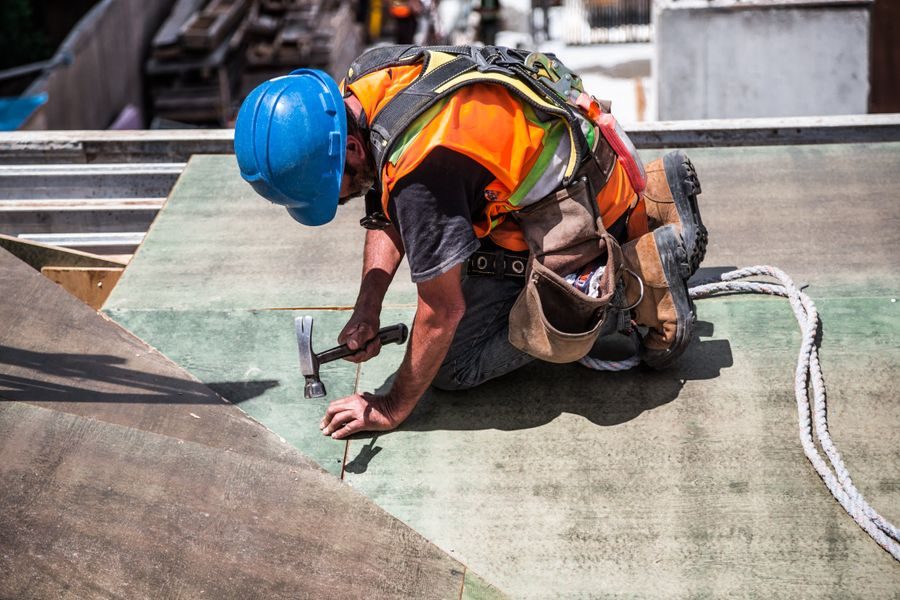
Cracks and leaks don't require a whole new roof. If the problem is local, the sensible fix is local too: repair the damaged area, seal the seam or metal trim that let the water in, and protect the repair.
A repair makes sense when the rest of the roof is in good shape. It makes less sense when you're fixing a new spot every few months, because that usually means the problem is bigger than the spots. If your records show repairs repeating across the roof, it's time to ask a different question.
When to coat a flat roof
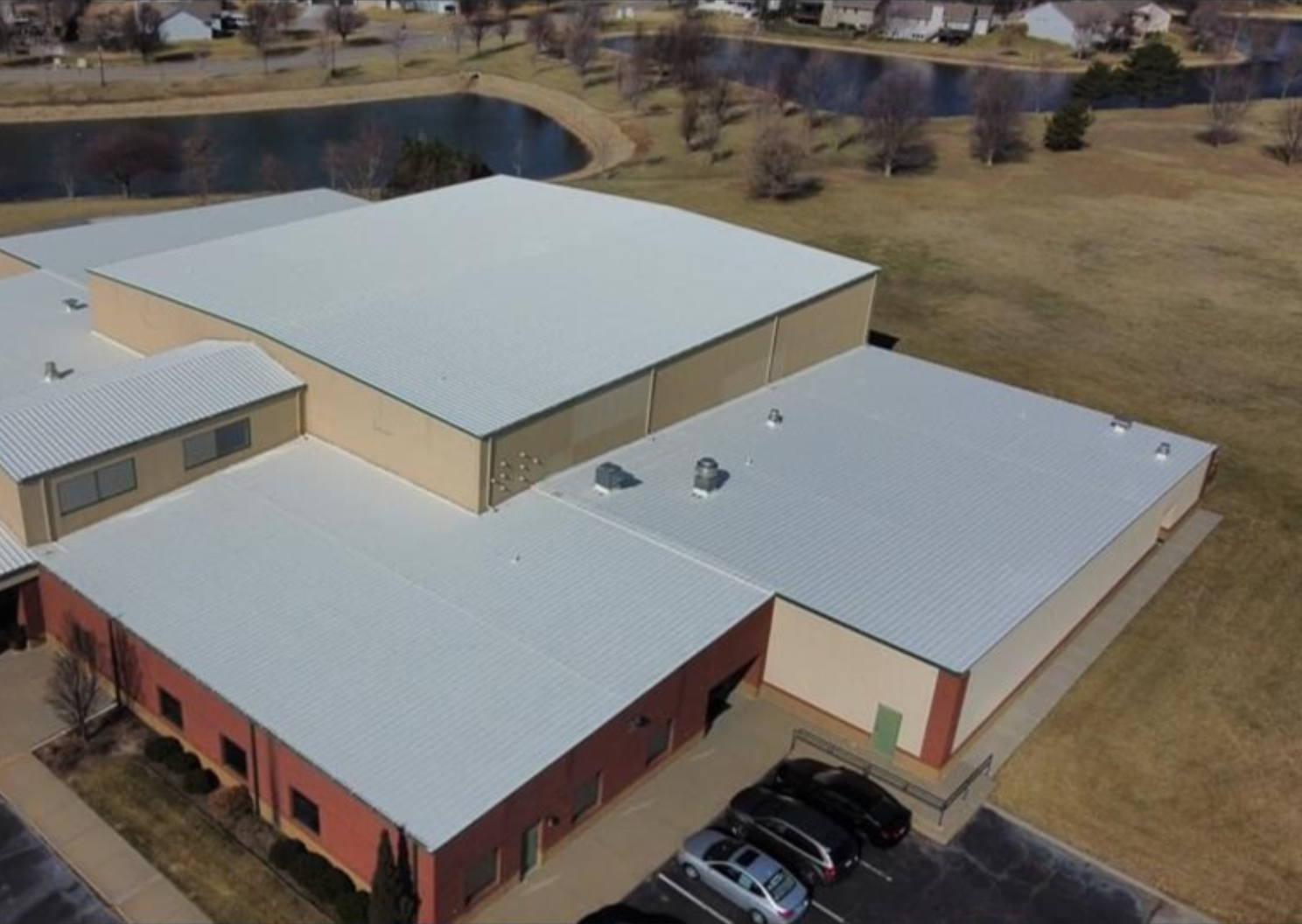
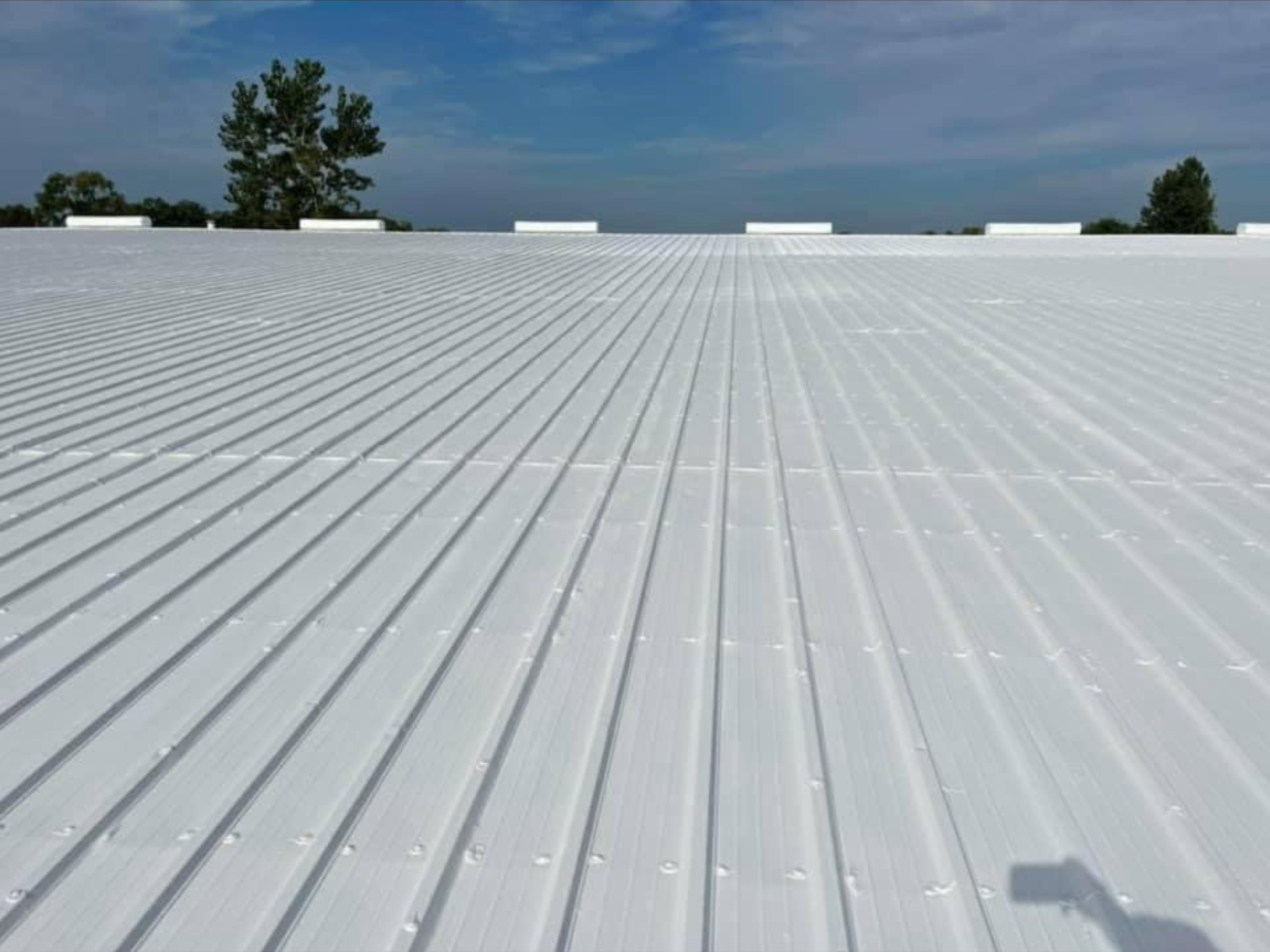
Coating is for a roof that's still doing its job but is starting to show its age. When a roof is still solid and the damage is only on the surface, a coating can extend its life by a decade or more, usually at a fraction of replacement cost.
A coating is not a repair in a bucket. Cracks, holes and damaged roofing must be fixed before coating. We repair damage first, then apply the coating, and it only works if the surface underneath is ready for it. The coating is only as good as the surface beneath it. You can see what’s involved in how a commercial roof coating is applied, and which roofs we coat on our roof coating page.
When to replace a flat roof
These are the signs that a flat roof has gone past repair or coating:
- Leaks across much of the roof
- Sagging areas
- Widespread damage, not damage in a few places
- A surface a coating has nothing sound to bond to
You'll notice there's no age on that list. We don't think a birthday decides it. Plenty of older roofs have years of good wear left in them, and some newer ones have problems. If replacement is the honest answer, we'll tell you, and our roof replacement page explains what that job involves.
What you can’t see from the ground
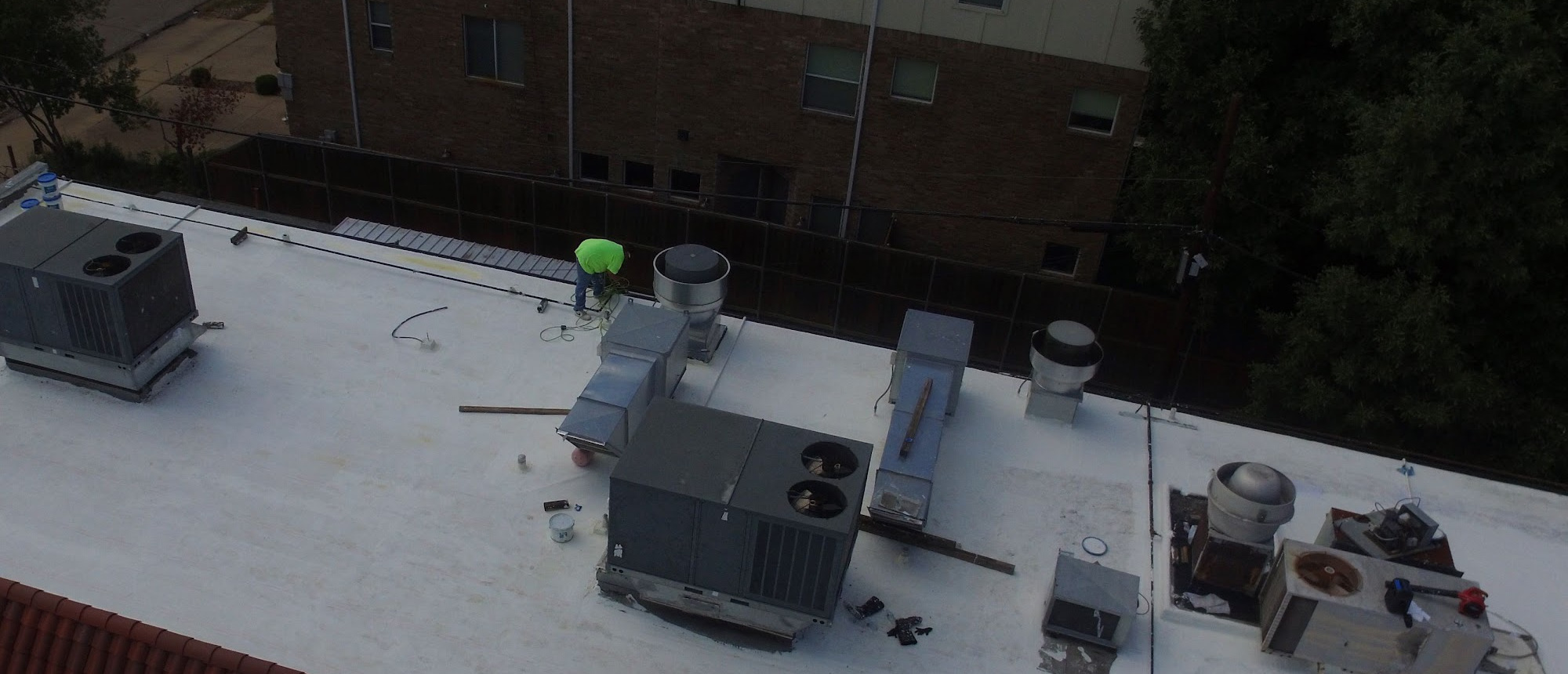
This is why a good answer needs someone on the roof. From the parking lot, you can’t see most of what decides this:
- Whether the layers under the surface are wet
- How water moves across the roof and where it sits
- The condition of the seams and the metal trim around edges
- Whether old repairs are still holding
- Damage from a storm that hasn’t started leaking yet
Most roof damage stays hidden until a leak appears inside, and by then wood framing and insulation may have absorbed moisture. Flat roofs also handle water differently than sloped ones, so a roof can look fine and still have a drainage problem that’s working against it.
Stay off the roof yourself unless there’s safe access and you know where you’re stepping. Photos from the ground and any stains on the ceiling inside are useful enough for a first conversation.
How to find out which one you need
Have someone inspect it who would be just as happy to repair it as to replace it, and ask them to show you what they found. Working with us means getting a conversation before a quote: a walk-through, photos and measurements, then a clear assessment of what shape the roof is in and what options make sense.
If you’re weighing the bigger decision on a commercial building, read commercial roof restoration vs replacement, or see whether to coat or replace. If you’d rather have someone look at it, book a free roof inspection.