Go looking for the right roof coating and you'll find manufacturers recommending what they make, and contractors who disagree about almost everything. We're Signature Roofing & Coatings, based in Boerne and working on flat, nearly flat and metal roofs across 14 Texas towns. We apply acrylic, silicone and polyurethane coatings, chosen to fit the roof and the weather it sees, so we have no stake in any one of them.
Roof coating types: the short answer
No coating is the right one for every roof. Water that sits on the surface, the material underneath, how much sun and foot traffic the roof gets, and what you might want to do with it later all push the choice one way or another.
Acrylic roof coatings
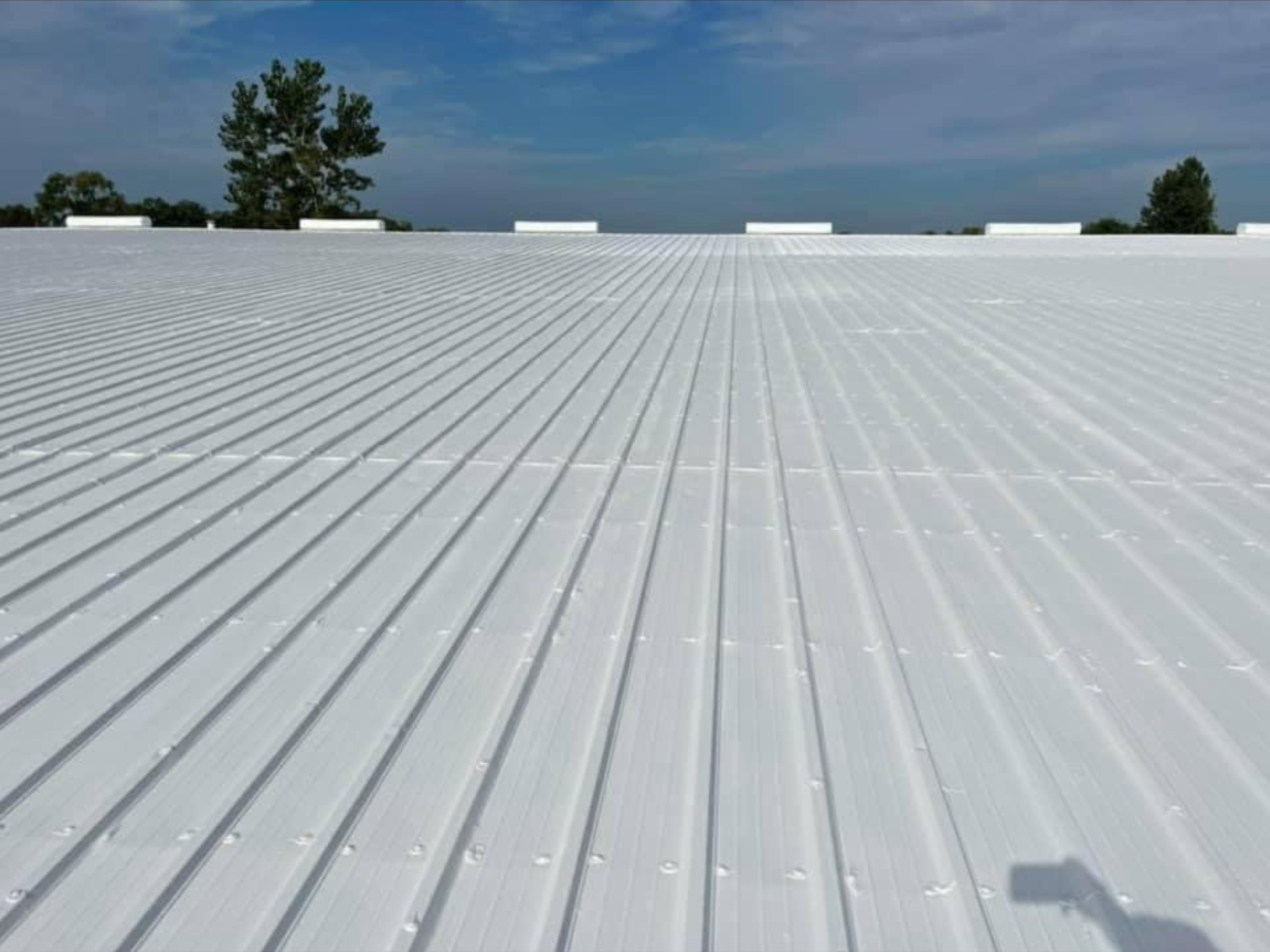
Acrylics are water-based and cure as the water evaporates. They are commonly used in reflective white finishes and are often chosen for roofs that shed water well, such as sloped metal.
- Worth watching: standing water. Water-based coatings generally don’t suit areas where water sits.
- Worth watching: weather during the job. They need dry conditions to cure, so rain and heavy dew around application matter.
Silicone roof coatings
Silicones are known for holding up to sun and tolerating standing water better than water-based coatings, which is why they often come up for flat roofs.
- Worth watching: dirt. Silicone surfaces can pick up dirt over time, which dulls how much heat they reflect.
- Worth watching: the future. Most other coatings don’t bond well to old silicone, so choosing it now can narrow what can go on top of it later.
Polyurethane roof coatings
Polyurethanes are tough. They resist impact and foot traffic, which makes them a common choice for roofs that see a lot of activity, or as a base layer under another coating.
- Worth watching: sunlight. Some polyurethanes need a UV-stable topcoat to hold up in direct sun.
- Worth watching: the building. Many have a strong odor during application, which matters if the building is occupied.
Why the surface matters more than the label
We learned early which coatings actually stick to which roofs. A good product on the wrong surface fails, and a rushed prep job creates failures later, whichever coating is in the bucket. The coating is only as good as the surface beneath it.
So before you compare coatings, it’s worth asking what your roof is made of, what shape it’s in and how it drains. A coating only holds up if you know where the water goes, how much the roof moves in the heat, and that the surface has been properly cleaned and repaired. A contractor who recommends a product before they’ve seen your roof hasn’t got the information to make that call.
How we choose a roof coating
It starts with the assessment. We look at what shape the roof is in, what it's made of and how water drains off it, and then we recommend a coating for that roof. Sometimes the answer is that it shouldn't be coated at all, and if so we'll tell you. You'll get a clear assessment of what shape the roof is in and what options make sense.
To see the rest of the job, read how a commercial roof coating is applied. For what we coat and how, see our roof coating and fluid-applied roof coating systems pages. Or book a free roof inspection and ask us what we’d put on yours.