TPO and metal are both good roofs, and both go on commercial buildings all over Texas. They aren't really competing for the same roof as often as the comparison suggests. We're Signature Roofing & Coatings, based in Boerne and working across 14 Texas towns, and we install both, so we've got no reason to run either one down.
TPO vs metal: the short answer
If your roof is flat or close to it, TPO is the natural fit. If your roof has real slope, or you're after a particular look, metal is usually the better conversation. If your roof could go either way, your plans for the building and your budget decide it. Once you've got a few real quotes in hand, compare what each one includes rather than only the number at the bottom.
What a TPO roof is good at
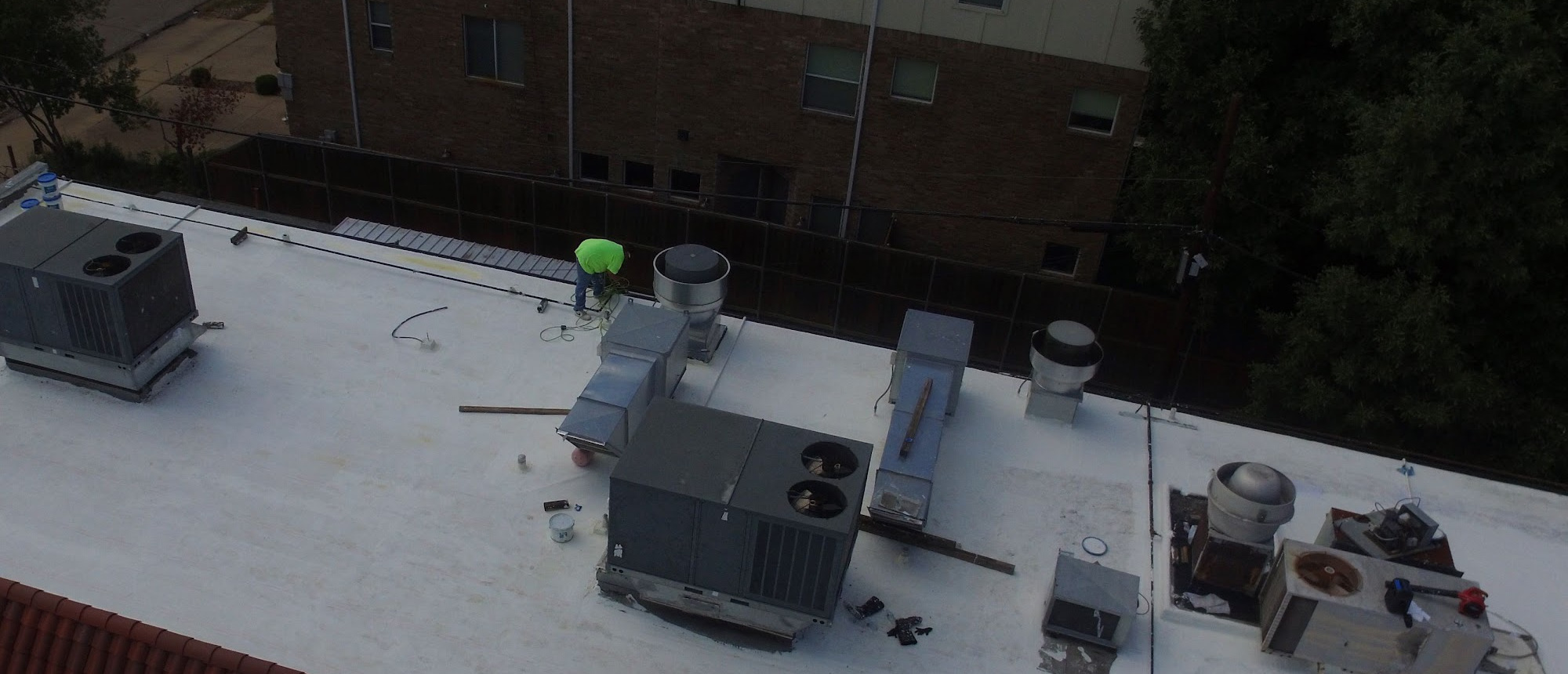
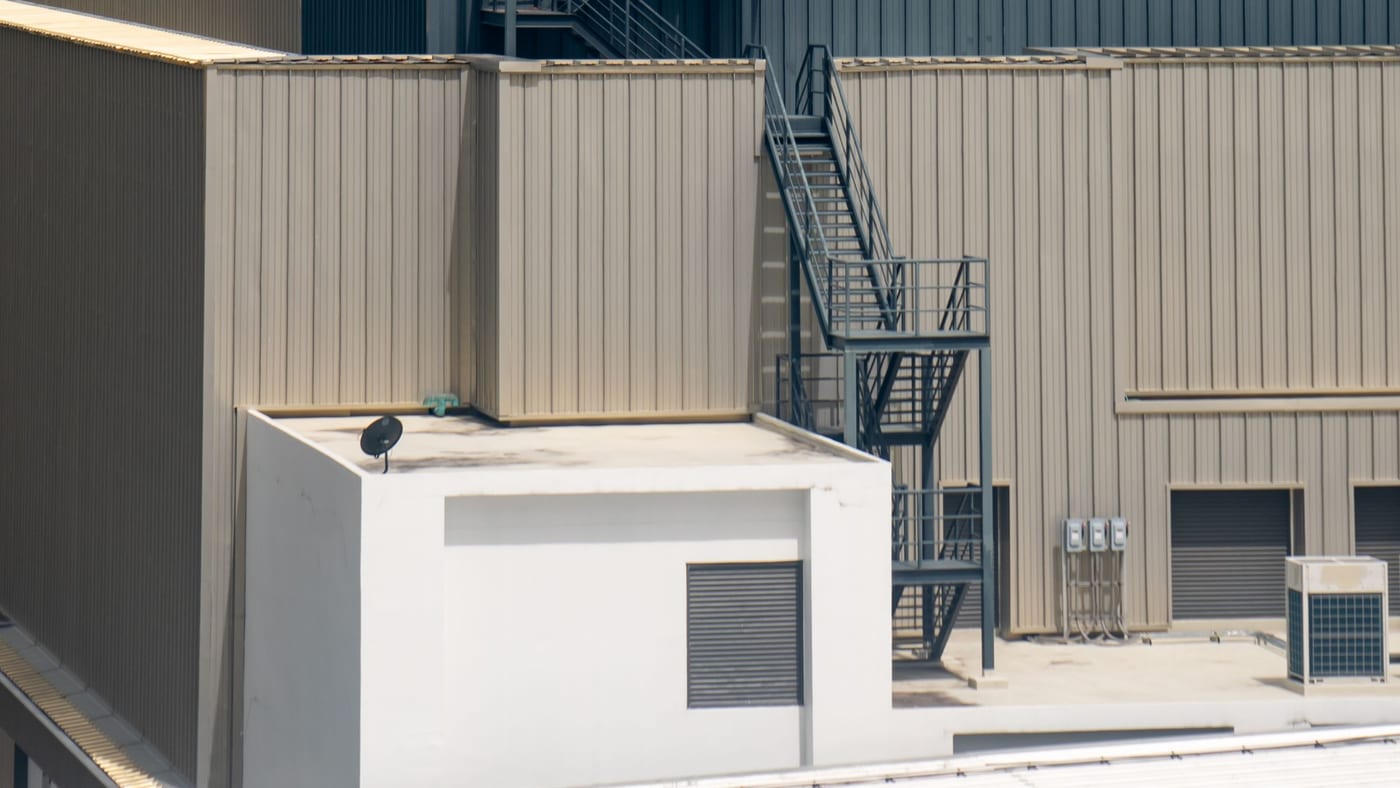
TPO (thermoplastic polyolefin) is a single sheet of roofing made for flat and nearly flat commercial roofs. Sheets are rolled out and fastened or adhered, and the seams are heat-welded to create a watertight barrier. Seam quality is where a TPO roof is won or lost, so it's the first thing to ask an installer about.
Its light surface reflects heat, which matters under a Texas summer sun, and it resists UV damage and punctures. You’ll often see it on warehouses, offices and retail spaces. The thickness and the drainage get chosen for the building, and on our TPO roofing page you can see how we go about it.
What a metal roof is good at
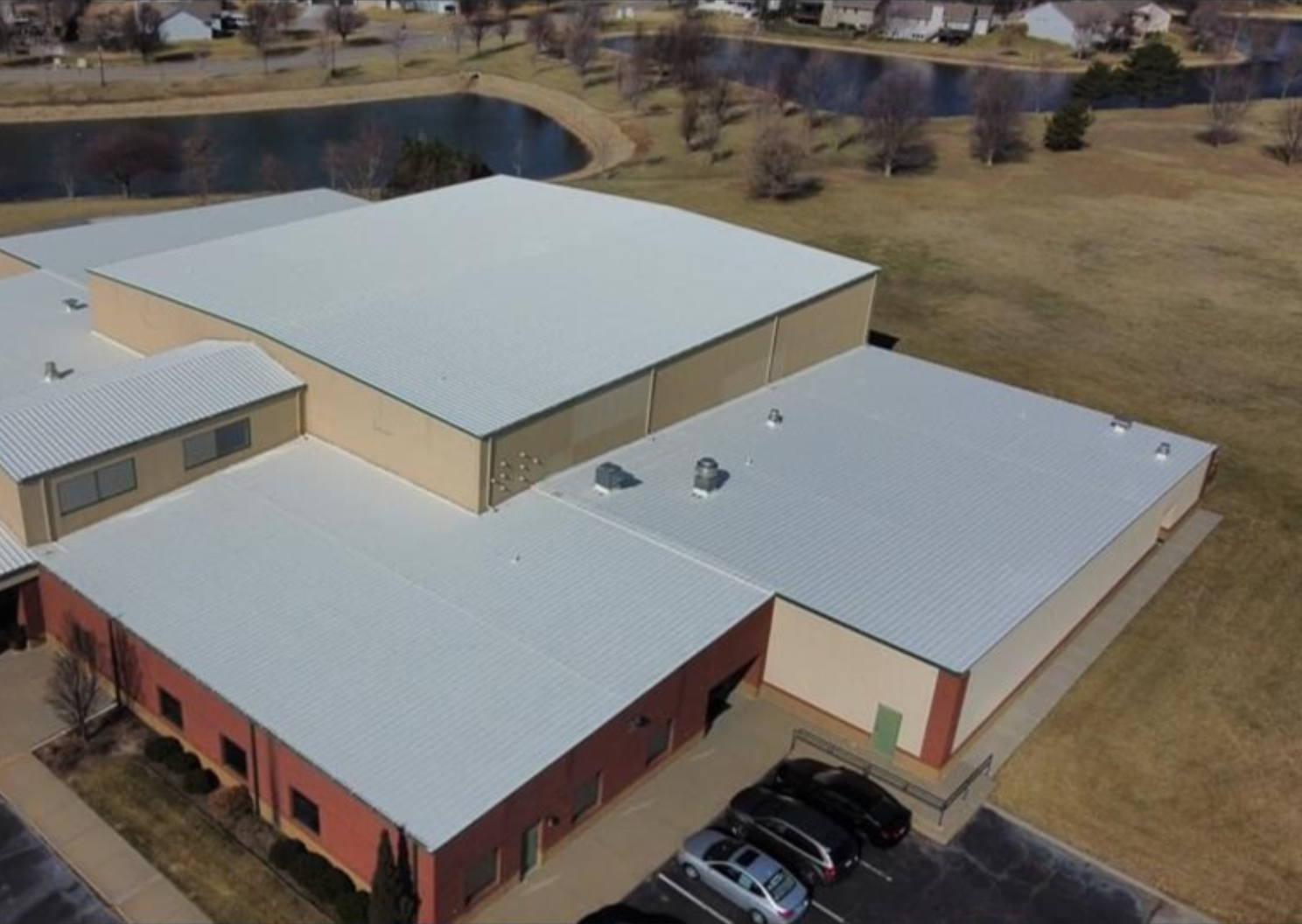
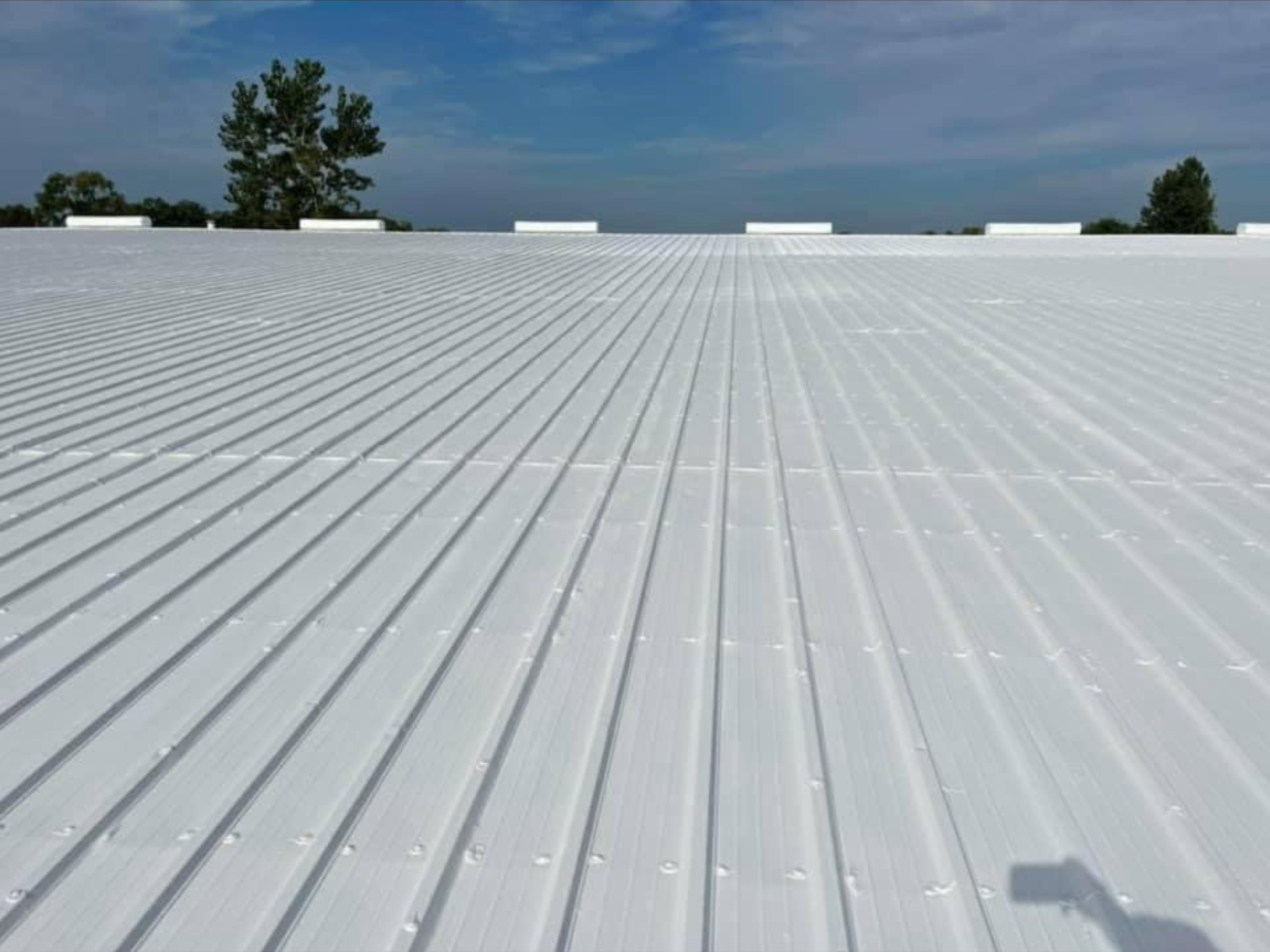
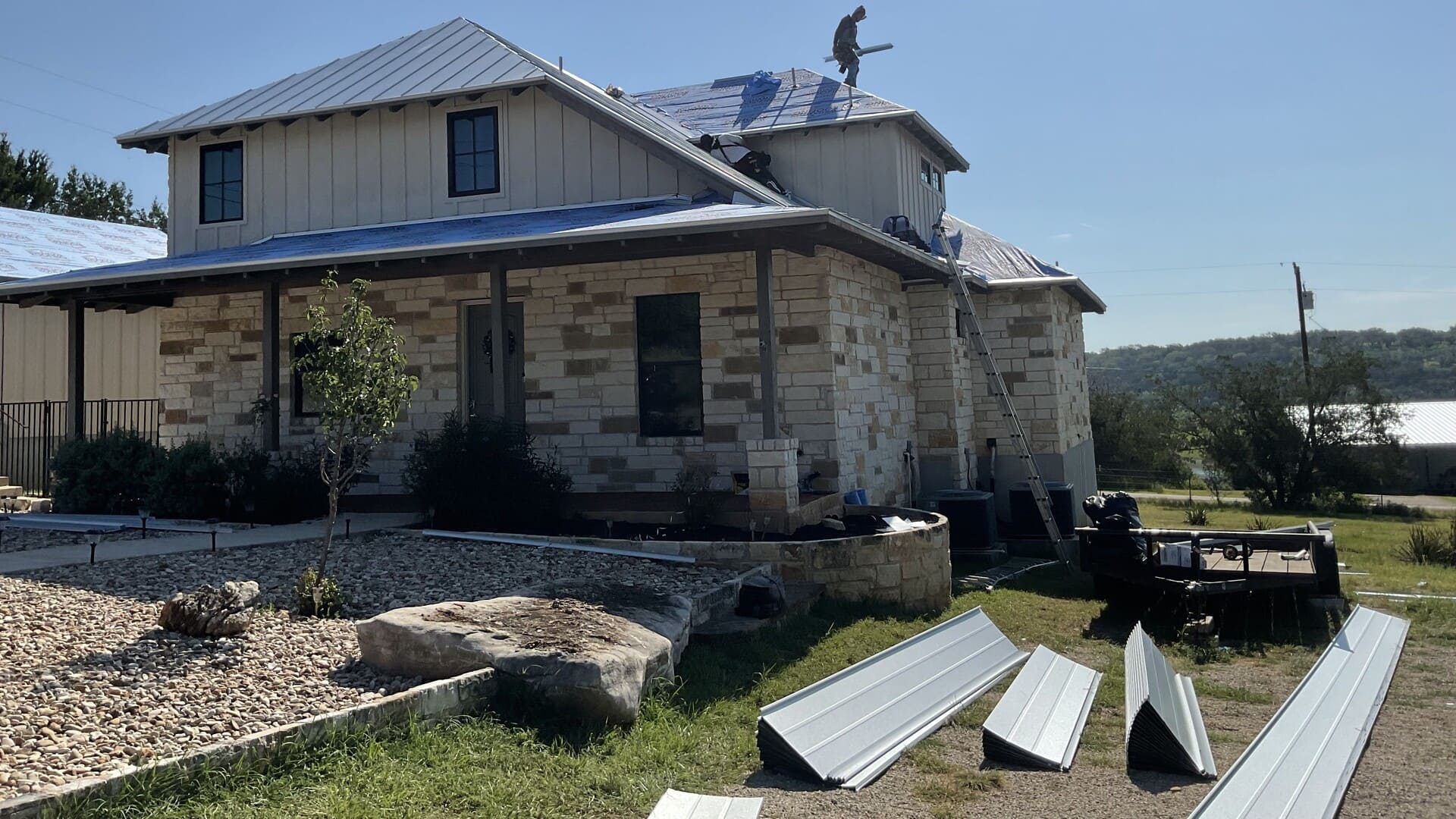
Metal reflects sunlight, resists high winds and handles hail and heavy rain well, and it suits buildings with large roof areas. It requires minimal maintenance, though minimal isn’t none. Fasteners, seams and coatings still need to be looked at.
Metal also has a look, which matters if the roof can be seen from the street. Steel and aluminum, standing-seam and architectural profiles are all options. The metal roofing page lays out what we install.
TPO and metal, side by side
| Compared | TPO | Metal |
|---|---|---|
| Roof slope | Flat and nearly flat | Needs enough slope for the panel system to shed water |
| What it is | A single sheet of roofing | Steel or aluminum panels |
| Seams | Heat-welded on site | Depends on the panel: standing seams or fastened laps |
| Heat | Light surface reflects heat | Reflects sunlight, depending on the finish |
| Repairs | Patched and heat-sealed to the existing sheet | Fasteners, seams or whole panels |
| Seen from the street | Usually not | Often, and it can be part of the design |
You'll notice we left out how long each one lasts and what each one costs. Figures for both vary widely from one source to the next, and they depend on the building, the product and the installation. We'd rather give you real numbers for your own roof than a chart that doesn't apply to it.
Questions that decide it for your building
Slope comes first. Changing a flat roof to metal generally means building slope into the structure, which makes it a bigger job than swapping one surface for another. After that, think about how long you plan to keep the building, how much foot traffic and rooftop equipment the roof sees, and what your budget can carry now. A building you plan to sell soon and a building you plan to keep are different decisions, even if the roof is the same.
A third option: keep the roof you have
If you already have one of these roofs, the real question may not be TPO or metal. A solid TPO or metal roof with damage only on the surface may be a candidate for a coating, which can add a decade or more of life, usually at a fraction of replacement cost. That’s worth ruling out before you pay to replace anything. Read commercial roof restoration vs replacement for how to tell.
What to do next
We’ll walk the roof, take photos and measurements, ask about your plans for the building, and send you a clear assessment with the options that make sense and what they actually cost. See our commercial roofing page, or book a free roof inspection.