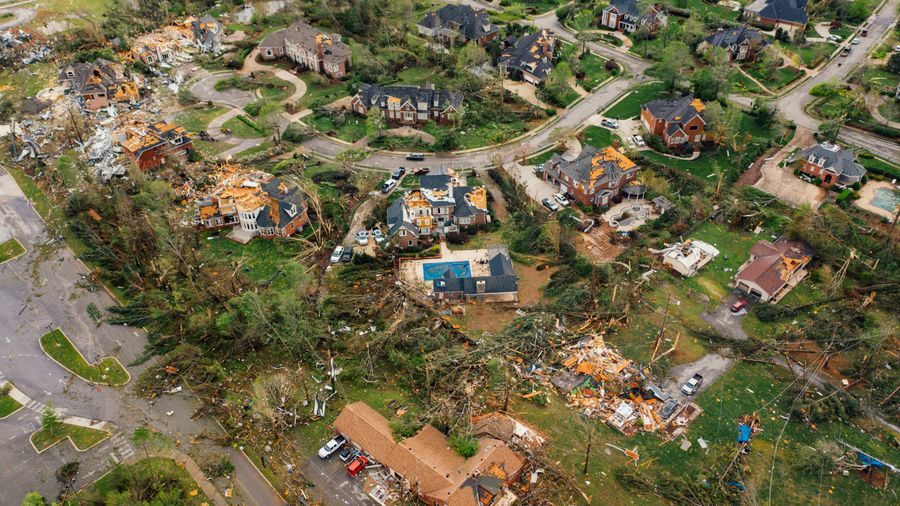
If hail or wind has been across your roof, you've got a claim to think about and a lot of people offering to help with it. We're Signature Roofing & Coatings, based in Boerne and working across 14 Texas towns. This is how a roof claim generally goes, and we'll be plain about which parts a roofer is allowed to do.
A roof insurance claim, step by step
- Document the damage you can see safely, and protect the property.
- Check your policy and report the claim to your insurance company. When you report it is your call, and your policy sets the deadlines.
- Meet the adjuster at the roof.
- Review what your insurer approves, and decide what to do.
- Pay your deductible and have the approved repairs done.
Before you call anyone
- Take photos of all damage from ground level. Stay off the roof.
- Move furniture and belongings away from leaks or wet areas.
- Save all invoices and receipts for anything you spend protecting the property.
- Find your policy and your declarations page.
Most roof damage stays hidden until a leak appears inside, so don't take a dry ceiling as proof the roof came through it. Small cracks grow into big leaks. A free inspection gives you photos and an estimate, and those are yours to share with your insurance company whenever you report the claim.
What roof insurance generally covers
Damage from hail, high wind and severe weather is commonly covered. Normal wear, neglect and improper maintenance are not. Flood damage is typically excluded. Your deductible applies to approved repairs, and coverage limits and exclusions vary by policy.
Commercial policies can differ a good deal from homeowners policies, so don't assume what you've read online applies to your building. If you manage a property for someone else, find out early who is allowed to report the claim and who has to sign off on repairs. Your agent can tell you exactly what your policy says.
Your deadline is in your policy
You'll see roofers quoting different deadlines for reporting a claim. Don't go by any of them, ours included. Most insurance policies set deadlines for claim filing, and delays may affect coverage. Read yours or ask your agent. If you have questions about your rights, the Texas Department of Insurance is the place to ask.
The adjuster visit
The adjuster works out what the insurance company will consider. If you've hired us to look at the roof, our team can meet your adjuster on site to show the damage we found and answer technical questions. We bring the photos and measurements. That's a conversation about the condition of the roof. It isn't a negotiation over your claim.
Your deductible in Texas
Texas law prohibits contractors from waiving or rebating deductibles, and you must pay the full deductible amount. The Texas Department of Insurance says it is illegal for a contractor to offer to waive, rebate or absorb it. Save your receipt as proof, since insurers may ask for it. If a roofer offers to take care of your deductible, take that as your answer about that roofer.
You can also hire the contractor you choose. You don't have to use your insurance company's preferred one.
If you disagree with the insurance company
You can get a second opinion from another contractor. If estimates differ significantly, many policies allow an appraisal, so check whether yours does. If a claim is denied, you can still choose to repair out of pocket, and we provide the estimate regardless.
If you want someone to negotiate with the insurance company for you, the people who can do that are a licensed public adjuster or an attorney. A roofer working on your property cannot.
What a roofer can and can’t do on your claim
Texas doesn’t allow a roofer or contractor to act as a public insurance adjuster on a claim if they’re also doing the work, and they can’t advertise that they would. The Texas Department of Insurance explains the rule here. It lists offering to negotiate claim settlements or file a claim for the policyholder as examples of improper conduct. So be wary of any roofer who promises to handle your claim, and of any promise about what your insurer will pay.
Here is how that works with us.
- We inspect the roof and photograph the damage.
- We write a detailed estimate, with photos and measurements.
- We meet your adjuster on site and answer technical questions.
- We complete the approved repairs and give you documentation for your records.
These stay with you:
- Reporting the claim
- Dealing with your insurance company over what it pays
- Deciding whether to repair at all
Your claim stays your claim. You decide whether to repair. Read more about our insurance recovery services, start with what to do after a storm, or book a free roof inspection.