Property managers don't want surprises, and the roof is where a lot of them come from. This is a checklist to print and keep. It comes from Signature Roofing & Coatings, based in Boerne and working on flat, nearly flat and metal roofs across 14 Texas towns. It's written for the person who answers the phone when the ceiling tile gets wet.
Use it from the ground and from any roof access your building already has safely set up. If getting to part of the roof would mean taking a risk, leave that part for someone with the equipment and insurance to do it.
Why flat and metal roofs need a maintenance checklist
Flat and metal roofs need attention they usually don't get. They handle water differently than sloped roofs. On a sloped roof, gravity moves water off quickly. On a nearly flat roof, water depends on the drains, the openings at the roof edge and the shape of the surface. On metal, the concern shifts to screws, seams and rust, because the panels move as they heat and cool.
Most of what goes wrong starts small. Regular inspections catch small issues before they become costly interior damage. Nobody schedules a look at the roof when it's quiet, and that's the reason a checklist helps.
How often to check a commercial roof
A common rule in the trade is at least twice a year, usually spring and fall, and after any major storm. Treat that as a starting point. A roof under heavy trees, or one with a history of problems, may need more. If your roof came with manufacturer paperwork that sets an inspection schedule, follow it.
The checklist
Drainage
- Drains, scuppers and gutters are clear of leaves and debris
- Strainers and drain covers are in place
- Downspouts are connected and discharging away from the building
- Water marks or silt show where water has been sitting
Standing water
- Note any water still sitting a day or two after rain
- Mark on a roof sketch where it sits, so you can see whether the area grows
- Check whether the standing water is near a drain that may be blocked
Seams and field of the roof
- Seams are closed, with no lifting edges or gaps
- No blisters, cracks, tears or punctures in the surface
- On metal: rust, loose or backed-out fasteners, and open laps
- Surfaces worn or chalking more in one area than another
Pipes and vents
- Pipes, vents and conduit are sealed where they come through the roof
- Sealant is not cracked, shrinking or pulling away
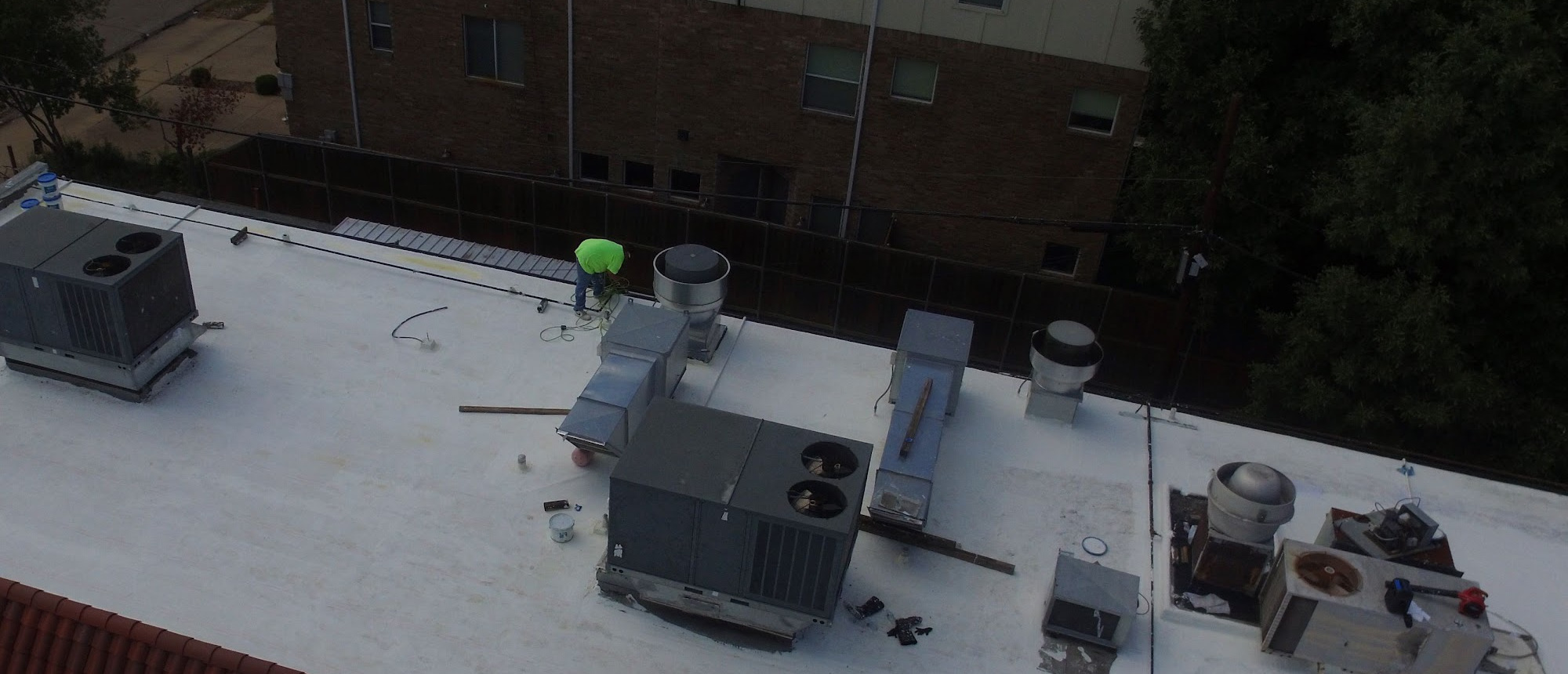
- Rooftop units: curbs are sound, panels are closed, and condensate lines drain properly
Metal trim and edges
- Metal trim is attached along walls and edges
- Roof edge metal is secure, without gaps or loose sections
- The low walls around the roof edge show no open joints
Previous repairs
- Earlier patches are still holding
- Repairs are not repeating in the same place, which often means the cause was never fixed
- Tradespeople who were on the roof since the last check did not leave damage or debris behind
Inside the building
- Ceiling stains, new or growing
- Musty smells or damp insulation in top-floor spaces
- Tenant reports of drips, with dates and locations
What to write down
A record is what turns a list of observations into something you can use. Whoever holds this job next, and whoever you hire, will be glad of it.
- The date, who looked and how much of the roof they could see
- Photos of anything that changed, taken from the same spot each time
- A simple roof sketch marking drains, units, repairs and standing water
- Every repair: what was done, by whom, and what it cost
- Tenant leak reports, matched to a spot on the roof
When we do work, we document everything for your records. That only helps if the records are all in one place, so keep the file with the building and not with the person.
When to call someone
Call a roofer when the roof is looking worn, leaking in spots or just aging. More specifically:
- A leak of any size, particularly one that comes back
- Standing water that stays or spreads
- Open seams, or roofing that has lifted
- Rust that has moved past the surface on a metal roof
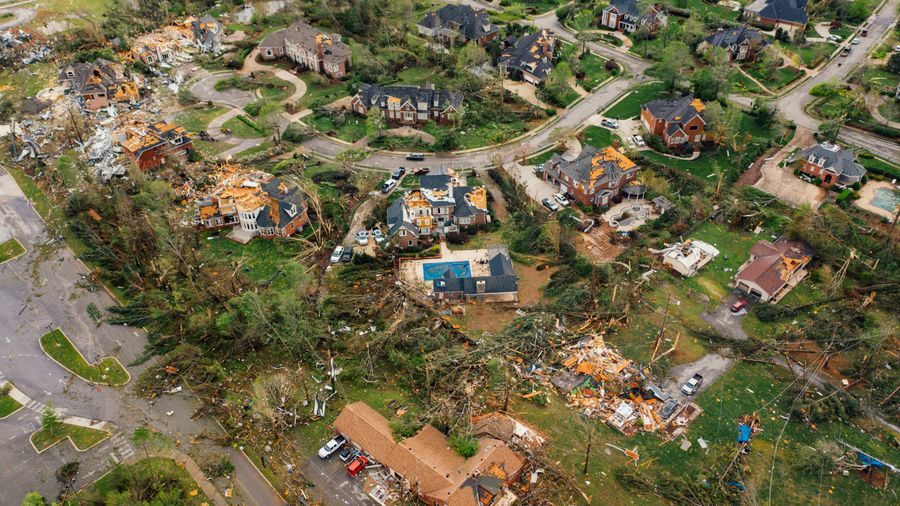
- Any sign of damage after hail or high wind
Most roof damage stays hidden until a leak appears inside, so a storm is a good enough reason to have someone go up even if nothing is dripping. If it was a major storm, read what to do after a storm.
What a good contractor does
Owners and managers want partners, not vendors. So hold whoever you hire to a standard. They should show up when they said they would, tell you what they found with photos, and say so when a roof needs no work at all. You should know what they’re doing while they’re on your property and hear from them while the job is running.
That’s the standard we hold ourselves to. We show up early. We communicate daily. We leave the site cleaner than we found it. You can read more about how we work with property managers, see our commercial roofing work, or book a free roof inspection and have someone walk the roof with this list in hand.